Lymphatic Drainage: 4 Gentle Daily Habits
Lymphatic Drainage: 4 Gentle Daily Habits
Lymphatic drainage is often promoted as a way to reduce puffiness, improve circulation, and “detox” the body. Some routines may support movement, relaxation, and comfort, but the term covers several different practices. Natural lymph circulation, professional manual lymphatic drainage, and wellness routines marketed as lymphatic drainage are not the same.
The lymphatic system helps return excess fluid to the bloodstream, supports immune function, and transports certain waste products. Unlike the cardiovascular system, it does not have a central pump comparable to the heart. Muscle activity, breathing, and body movement help encourage normal lymph movement.
Four gentle habits can fit into many daily routines:
- Walking at a comfortable pace
- Practicing diaphragmatic breathing
- Breaking up long periods of sitting
- Using cautious self-massage only when appropriate
These habits are not a substitute for medical care. They should feel comfortable rather than painful, forceful, or exhausting.
What Is Lymphatic Drainage?
The lymphatic system is a network of vessels, nodes, tissues, and organs that helps maintain fluid balance and support immune defenses. Lymph, a clear fluid, moves through lymphatic vessels and eventually returns to the bloodstream.
“Lymphatic drainage” can refer to three different ideas:
- Natural lymphatic circulation: The body’s ongoing movement of lymph fluid.
- Manual lymphatic drainage: A specialized clinical massage technique performed by a trained professional.
- Wellness routines: Walking, breathing, stretching, hydration, or self-massage promoted as ways to support lymph flow.
Professional manual lymphatic drainage may form part of treatment for some people with lymphoedema or postsurgical swelling. The technique is individualized and is not equivalent to deeply rubbing the skin at home.
Daily habits may support general mobility, reduce time spent sitting, and promote relaxation. They do not instantly “flush toxins,” permanently remove fat, cure lymphoedema, or guarantee reduced swelling. Temporary changes in bloating or fluid sensation should not be confused with fat loss or treatment of an underlying disease.
Media reports may offer lifestyle ideas, but personal experiences are not clinical evidence of treatment effectiveness. Source 1 Source 3 Source 7
Why Gentle Daily Movement May Support the Lymphatic System
The lymphatic system relies partly on surrounding muscle contractions and pressure changes caused by breathing. During walking or other movement, muscle contractions can help compress lymphatic vessels. Diaphragmatic breathing changes pressure in the chest and abdomen, which may also support fluid movement.
This does not mean that a particular exercise has a guaranteed lymphatic-drainage effect. Practical benefits may come from moving more regularly, avoiding prolonged inactivity, improving mobility, and supporting general circulation.
Gentle movement may help some people experience:
- Less stiffness after sitting
- Improved mobility
- Greater energy
- Temporary relief from feelings of heaviness
- Relaxation after a stressful day
These possible benefits differ from treatment for lymphoedema, venous disease, heart failure, kidney disease, or other causes of swelling. Persistent or unexplained swelling requires medical assessment.
Habit 1: Try Gentle Walking
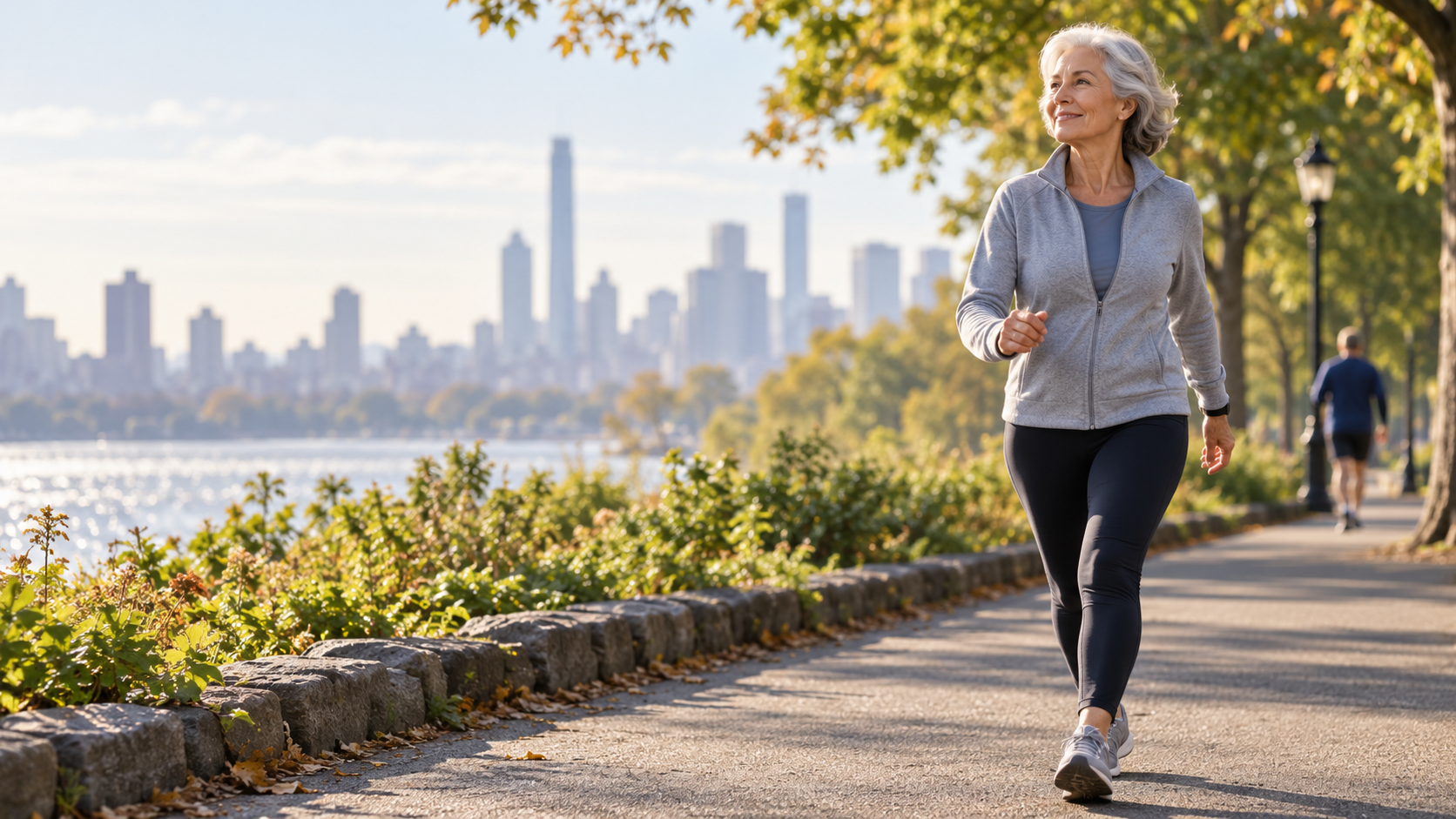
“Lymphatic walking” generally refers to comfortable walking promoted as a simple way to encourage movement and reduce sedentary time. It does not require a special stride, exaggerated arm movements, or a forceful pace.
Use:
- A relaxed, upright posture
- Natural arm movement
- Comfortable footwear
- A steady pace
- Breathing that remains easy
The goal is consistency, not intensity. If you can speak in complete sentences while walking, the pace is usually manageable for a general wellness routine.
Start with five to 10 minutes. Walk after breakfast, during a lunch break, or after dinner. If one continuous walk is impractical, divide it into several short walks. You can walk around the block, indoors, through a workplace or shopping center, or during a phone call.
Increase the duration gradually if your body responds well. There is no need to turn lymphatic walking into a strenuous workout.
Regular walking may improve energy, reduce stiffness after sitting, and create a calmer transition between activities. Some people may also notice temporary changes in bloating or feelings of heaviness. These experiences do not establish clinical treatment benefits. Source 7
Stop walking if you develop pain, dizziness, unusual shortness of breath, or worsening swelling. Sudden swelling, especially in one limb, needs medical advice rather than a longer walk.
Habit 2: Practice Diaphragmatic Breathing
The diaphragm is a large muscle beneath the lungs. During relaxed abdominal breathing, it moves downward as you inhale and upward as you exhale. This changes pressure within the chest and abdomen and may support normal circulation.
Breathing exercises can also reduce tension and encourage relaxation. They are supportive wellness practices, not treatments for diagnosed lymphatic disease.
A Simple Breathing Routine
- Sit or lie in a comfortable position.
- Relax your shoulders, face, and jaw.
- Place one hand on your chest and the other on your abdomen.
- Inhale gently through your nose.
- Allow your abdomen to expand without forcing the breath.
- Exhale slowly and comfortably.
- Repeat for five to 10 breaths.
Practice before a walk, during a work break, after prolonged sitting, or before bed. You can also combine relaxed breathing with gentle stretching.
Avoid holding your breath or taking rapid, exaggerated breaths. Overly deep breathing can cause light-headedness. Stop and return to normal breathing if you feel dizzy, uncomfortable, or short of breath.
Habit 3: Break Up Long Periods of Sitting
Long periods of inactivity can contribute to stiffness and discomfort. Regular muscle contractions from small movements may support normal fluid circulation and help maintain mobility.
Short, repeated breaks are often more sustainable than relying on one intense workout. The purpose is not to burn a specific number of calories but to reduce uninterrupted sitting.
Try standing or walking for two to five minutes every hour. If standing is difficult, use seated movements such as:
- Ankle pumps
- Gentle shoulder rolls
- Knee flexion and extension
- Seated marching
- Foot circles
- Hand and wrist movements
When appropriate, take the stairs, walk to speak with a colleague, or add light household activity. These actions make movement part of the day rather than a separate task.
Set a recurring phone, watch, or calendar reminder. You can also connect movement with existing routines:
- Walk after finishing a meeting.
- Move before refilling a drink.
- Perform ankle pumps after using the bathroom.
- Stand between television episodes.
- Take a brief walk after sending a scheduled report.
Track completed movement breaks instead of distance, calories, or appearance. The immediate goal is regular movement.
People recovering from surgery, injury, or illness should ask a physical therapist or healthcare professional for individualized exercises. Use seated alternatives when standing is unsafe, and avoid any movement that increases pain or swelling.
Habit 4: Use Gentle Self-Massage Only When Appropriate
At-home lymphatic massage is not the same as professional manual lymphatic drainage. The correct technique depends on the location of swelling, medical history, skin condition, previous surgery, and lymphatic function.
People with diagnosed lymphoedema or postsurgical swelling should receive instruction from a qualified clinician before attempting self-massage. Incorrect pressure or direction may irritate tissue or worsen symptoms.
If a healthcare professional has confirmed that gentle self-massage is suitable:
- Use light, comfortable touch.
- Avoid deep pressure and aggressive rubbing.
- Keep the skin clean and moisturized when appropriate.
- Follow the technique and direction demonstrated by the clinician.
- Stop if symptoms change or worsen.
Self-massage should never be painful. Redness, warmth, tenderness, dizziness, or increased swelling are reasons to stop and seek advice.
When to Avoid Self-Massage
Do not begin lymphatic massage without medical guidance if you have:
- Sudden or unexplained swelling
- Suspected cellulitis or another infection
- Red, hot, painful skin
- Suspected deep vein thrombosis
- A history of blood clots
- Uncontrolled heart failure
- Serious kidney disease
- Recent surgery without medical clearance
Chest pain, sudden shortness of breath, fainting, or rapidly worsening swelling requires urgent medical attention. Massage is not appropriate first-line care for these symptoms.
A Simple Daily Routine
Morning
- Take five to 10 relaxed diaphragmatic breaths.
- Drink according to normal thirst and any medical advice.
- Walk comfortably for five to 10 minutes.
- Add gentle mobility exercises if you feel stiff.
During the Workday
- Break up sitting every hour.
- Perform ankle pumps, shoulder rolls, or take a short walk.
- Use relaxed breathing during stressful transitions.
- Keep movement comfortable rather than competitive.
Evening
- Walk gently after dinner if appropriate.
- Stretch or breathe comfortably before bed.
- Use self-massage only if it has been recommended and taught for your situation.
A Sample Seven-Day Progression
- Days 1–2: Walk for five minutes and complete five relaxed breaths.
- Days 3–4: Add movement breaks once every hour.
- Days 5–6: Extend the walk slightly or add gentle mobility exercises.
- Day 7: Review energy, comfort, stiffness, swelling patterns, and consistency.
This plan builds a routine. It does not guarantee detoxification, weight loss, or a medical transformation.
What Lymphatic Drainage Can and Cannot Do
Reasonable Expectations
A gentle daily routine may:
- Encourage regular movement
- Reduce sedentary time
- Support relaxation
- Improve general mobility
- Help some people feel less stiff or heavy
- Complement a broader wellness plan
Claims That Require Caution
Be skeptical of claims that lymphatic drainage:
- Permanently removes body fat
- Produces spot reduction
- Guarantees toxin removal
- Immediately treats unexplained swelling
- Cures lymphoedema
- Replaces medical treatment
A temporary change in bloating or fluid sensation does not prove fat loss or improved disease status. Weight-management goals are better supported by regular physical activity, balanced nutrition, adequate sleep, and professional guidance when needed.
When to Speak With a Healthcare Professional
Speak with a clinician before beginning a lymphatic drainage routine if you have:
- Diagnosed lymphoedema
- Chronic swelling
- Recent surgery
- Recent cancer treatment
- Heart disease or heart failure
- Kidney disease
- A history of blood clots
- Limited mobility
- Pregnancy-related swelling
- A condition that affects circulation
Seek urgent medical help for sudden swelling in one limb, redness and warmth with severe tenderness, chest pain, sudden shortness of breath, fainting, fever with painful inflamed skin, or rapidly worsening swelling.
These symptoms may indicate infection, a clot, or another condition requiring prompt assessment. Do not attempt to manage them with self-massage, exercise, or extra water alone.
How to Make These Habits Sustainable
Start Small
Use five-minute walks and brief movement breaks. Build frequency before intensity. An all-or-nothing routine is harder to maintain and may encourage unnecessary exertion.
Attach Habits to Existing Routines
Try walking after breakfast, breathing before checking email, moving after each meeting, or performing approved self-massage after a shower. A habit linked to a regular activity is easier to remember.
Measure Consistency
Track completed walks, breathing sessions, and movement breaks. Also note comfort, energy, mobility, and swelling patterns. Daily body weight or appearance should not be the only measure of progress.
Adjust to Feedback
Reduce intensity if symptoms worsen. Replace standing exercises with seated options when necessary. Ask a qualified professional to adapt the routine if you have a medical condition.
Frequently Asked Questions
Does lymphatic drainage help with weight loss?
Lymphatic drainage is not a proven method for losing body fat. Temporary changes in fluid retention or bloating may affect how your body feels or looks, but they are not equivalent to fat loss. Regular activity, balanced nutrition, sleep, and professional guidance provide a more reliable foundation for weight management.
How often should I practice lymphatic drainage at home?
Gentle walking, breathing, and movement breaks can often be included daily when they feel comfortable. Massage frequency depends on your health, symptoms, and technique. People with lymphoedema, recent surgery, or chronic swelling should follow a clinician’s plan.
Is lymphatic walking different from regular walking?
Lymphatic walking usually means gentle walking promoted as supportive of lymph movement. Its practical benefits may come from muscle activity, mobility, and reduced sitting. You do not need to walk forcefully or use an extreme technique.
Can I perform lymphatic massage on myself?
Some people can learn gentle techniques, but the correct approach depends on medical history and the location of swelling. Professional instruction is preferable for diagnosed lymphoedema or postsurgical swelling. Avoid massage when sudden swelling, infection, severe pain, or possible blood-clot symptoms are present.
How quickly will I notice results?
Effects vary. Some people may notice temporary relaxation, improved mobility, or less stiffness after moving. Persistent swelling or worsening symptoms require medical evaluation rather than more intensive self-care.
Who should avoid lymphatic drainage exercises or massage?
People with unexplained swelling, suspected infection, blood clots, uncontrolled heart failure, serious kidney disease, or recent surgery should seek medical advice first. Chest pain or sudden shortness of breath requires immediate medical attention.
Conclusion
A daily lymphatic drainage routine can begin with four simple habits:
- Walk gently and consistently.
- Practice diaphragmatic breathing.
- Break up long periods of sitting.
- Use self-massage only when appropriate and professionally recommended.
These habits may support movement, relaxation, and general comfort. They do not replace diagnosis or treatment for lymphoedema, infection, blood clots, heart disease, kidney disease, or other medical causes of swelling.
Choose one habit and practice it consistently for one week. Stop if symptoms appear, and seek professional guidance when swelling is sudden, painful, persistent, or unexplained.
Artikel Terkait
-
 Can Eating Peanuts Every Day Support Brain Health?
-
 BYU Research Explores Lower-Cost Immunotherapy
-
 Walking Speed May Offer Clues About Longevity
-
 Amid Measles Surge, Amish Country Reconsiders Vaccines
-
 Testosterone Therapy and Heart Risk in Women: What to Know
-
 Australian Influencer Hospitalised in Bali: What We Know