How Food Scraps Can Boost Fibre and Cut Waste
How Food Scraps Can Boost Fibre and Cut Waste
Many people discard parts of fruit and vegetables that could still be used in meals. Peels, stalks, leaves, seeds and other edible trimmings often end up in household bins, even though they may provide useful dietary fibre.
Reports from the BBC and other outlets have highlighted food scraps as a major opportunity to improve fibre intake. The goal is not to eat spoiled food or unsuitable kitchen waste. It is to use more of the safe, edible parts already being bought and prepared. Source 1
Fibre supports digestion, fullness and overall diet quality. Keeping suitable skins and stalks in everyday dishes can make meals more fibre-rich while reducing avoidable food waste. However, not every peel, leaf, seed or kitchen leftover is safe to eat.
Why Dietary Fibre Matters
Dietary fibre is found mainly in vegetables, fruit, beans, peas, lentils, whole grains, nuts and seeds. Unlike many digestible carbohydrates, fibre is not fully broken down and absorbed in the small intestine. Its effects depend on the type of fibre and the food that contains it.
Fibre can support regular bowel movements by adding bulk to stools and helping food move through the digestive system. Some types provide fuel for beneficial gut bacteria, while others absorb water or slow digestion, which may promote lasting fullness.
A fibre-rich diet should include a wide range of plant foods rather than one isolated ingredient. Whole fruit, vegetables, legumes and whole grains provide fibre alongside vitamins, minerals and other naturally occurring compounds.
Many people may eat less fibre than recommended because they rely heavily on processed foods, choose refined grains, eat few vegetables and fruits, or automatically remove edible skins and stems. Fibre needs vary according to age, sex, health status and national dietary guidance. Follow recommendations from local health authorities or a healthcare professional.
How Food Scraps Can Add Fibre
Edible skins, peels, stalks, cores, leaves and seeds may contain fibre. Their nutritional value varies, and cooking or processing can change their texture and availability.
The practical benefit does not come from one “superfood” scrap. It comes from using suitable edible parts consistently. Broccoli stalks in a stir-fry, potatoes roasted with their skins and citrus zest in a sauce can each make a small contribution. Repeated across many meals, these choices can support a higher-fibre eating pattern.
The opportunity is significant because the ingredients are already present in many kitchens. Reports describe discarded edible plant parts as an important way to increase dietary fibre. Source 3
Edible Food Scraps to Try
Fruit Skins and Zest
Some fruit skins can be eaten when the fruit is fresh, suitable and properly washed.
- Apple and pear skins: Leave them on when eating the fruit whole, baking or stewing. Finely chopping or cooking can improve the texture.
- Citrus zest: Grated lemon, lime or orange zest can flavour soups, sauces, cakes, porridge and dressings.
- Kiwi skin: Edible for some people, although its texture and fine hairs may be unpleasant. Blending can make it less noticeable.
Do not eat tough, bitter or heavily damaged skins. Wash produce under running water and scrub firm fruit where appropriate. Anyone with an allergy or digestive sensitivity should avoid foods that cause symptoms.
Vegetable Skins
Suitable examples may include:
- Potatoes.
- Sweet potatoes.
- Carrots.
- Courgettes.
- Cucumbers.
- Parsnips.
- Beetroot.
Potatoes and sweet potatoes can often be roasted, boiled or baked with the skin on. Scrub carrots and courgettes before using them whole in soups, stews or roasted dishes. Cucumber skin can remain in salads or chilled soups.
Do not eat green potato parts, sprouting sections or visibly damaged areas. Remove dirt, bruising and damaged portions before cooking.
Stalks, Stems and Leaves
Broccoli stalks can be peeled, sliced, grated or chopped into stir-fries, soups and pasta sauces. Cauliflower leaves can be roasted, shredded into slaws or added to curries and soups. Beetroot leaves can be sautéed, added to frittatas or mixed into soups.
Washed radish tops can be used in pesto, soups or salads. Soft herb stems, including parsley and coriander stems, can be finely chopped into sauces, stocks and stews.
Chopping, grating or cooking makes many fibrous parts easier to eat. A food processor can turn suitable stalks and leaves into a sauce, soup base or filling.
Seeds and Cores
Pumpkin seeds can be roasted or added to porridge, salads and grain dishes. Some watermelon seeds are eaten in cuisines where they are properly prepared.
Cores and pits require more caution. Apple cores should not be treated as a routine snack, and pits from peaches, apricots, cherries and plums should not be eaten. Some seeds and pits contain harmful compounds, while others present a choking risk. Check reliable food-safety guidance before using an unfamiliar plant part. “Natural” does not automatically mean safe.
Practical Ways to Use Food Scraps
Start with familiar preparation changes:
- Keep the skin on suitable potatoes, carrots and sweet potatoes.
- Chop broccoli stalks into the same dish as the florets.
- Add cauliflower leaves to a roasting tray.
- Finely chop herb stems into sauces or salads.
- Grate citrus zest into porridge, baking or savoury dishes.
- Add beetroot leaves to a frittata or warm grain bowl.
Use only fresh, clean and clearly edible trimmings. Do not store scraps contaminated by raw meat, seafood, cleaning products or dirty surfaces.
Grating or blending can make tougher ingredients easier to use. Try grating broccoli stalks into slaws, carrot ends into pasta sauce, courgette ends into muffins or fritters, and apple or pear skin into a smoothie or baked dish.
A food processor can combine suitable vegetable trimmings with beans, lentils or cooked grains to make patties. Blended vegetables can also be added to soups, sauces and stews.
Juicing is less useful when the goal is to retain fibre because straining removes much of the solid plant material. Whole, chopped, grated or blended produce usually preserves more of its structure.
Stocks and Soups
Fresh carrot ends, onion skins, herb stems, celery leaves and other suitable trimmings can add flavour to homemade stock. Stock is not automatically high in fibre, however. If all solids are strained and discarded, much of the fibre remains outside the final liquid.
To retain fibre, add edible chopped vegetables, beans, lentils or whole grains to the finished soup. Never use mouldy, rotten or contaminated trimmings. Cooking does not make every unsafe ingredient suitable for consumption.
Leftover Plant Foods
Safely stored cooked vegetables can be added to omelettes, frittatas, grain bowls, wraps, curries, pasta dishes, bean patties and soups. Use leftovers only if they were cooled and stored safely. Food left at unsafe temperatures, showing mould or smelling spoiled should be discarded.
Food Safety Comes First
“Food scraps” does not mean all kitchen waste. Do not eat:
- Mouldy or rotten produce.
- Food contaminated with cleaning chemicals.
- Non-food packaging.
- Unsafe plant pits, leaves or seeds.
- Meat or fish waste handled contrary to food-safety guidance.
- Food exposed to raw meat, seafood or other contamination.
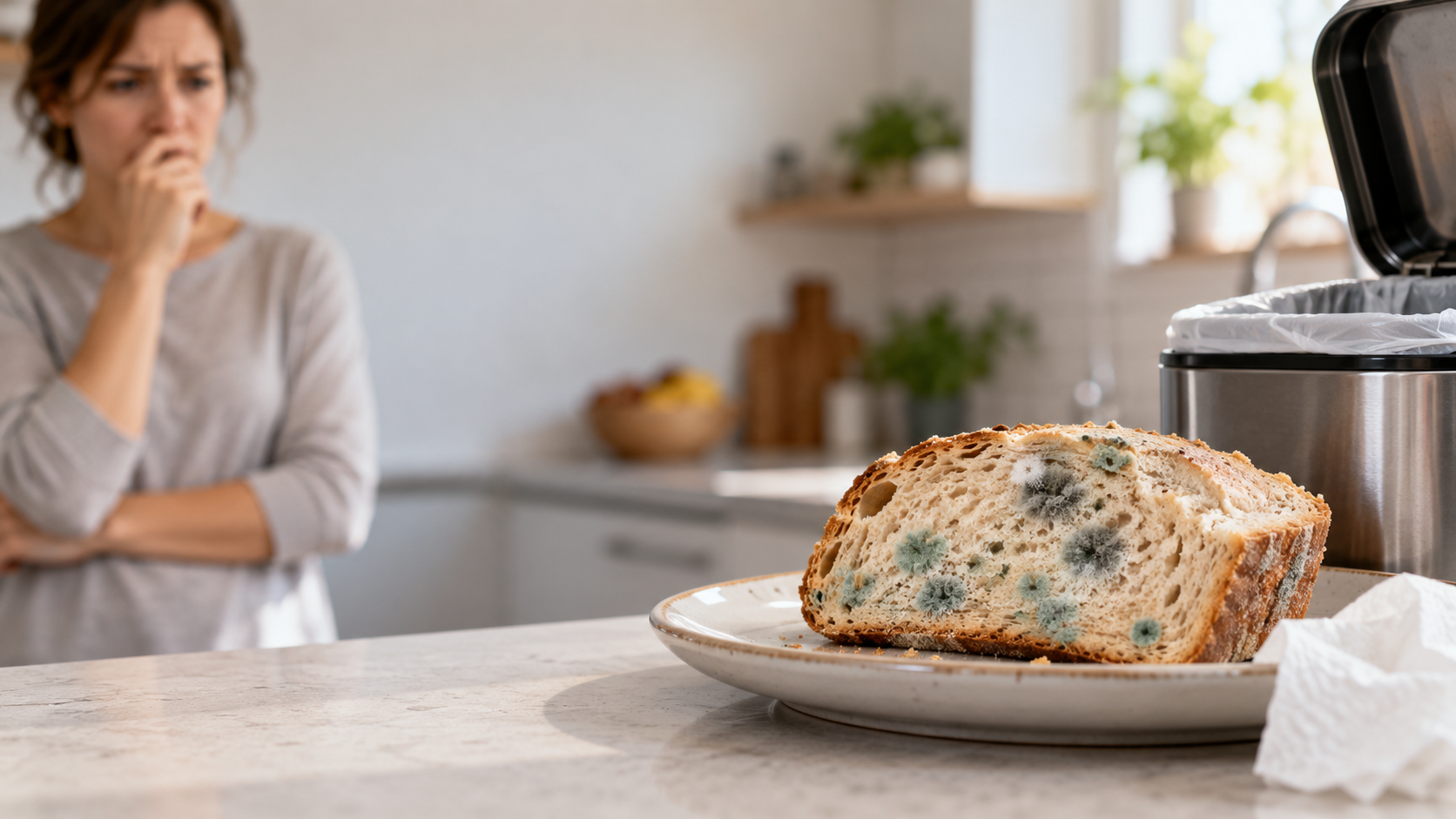
Cutting mould from a soft food does not necessarily make the rest safe. When a food’s condition is uncertain, discard it or use an appropriate local food-waste service.
Rinse fresh produce under running water and scrub firm skins such as potatoes, carrots and cucumbers. Remove visible dirt and damaged areas. Store prepared scraps in a clean, covered container and refrigerate perishable ingredients promptly. Keep them away from raw meat, seafood and unwashed produce. Wash knives, boards and work surfaces after preparation.
Washing reduces surface contamination but does not remove every chemical residue. Follow local produce-washing advice and choose preparation methods that suit your circumstances.
People with allergies, diagnosed bowel conditions, swallowing difficulties or medically restricted diets should follow professional dietary advice. Food scraps are not a substitute for treatment, and increasing fibre may not be appropriate during every stage of a digestive illness.
Increase Fibre Gradually
A sudden increase in fibre may cause bloating, gas, abdominal discomfort or changes in bowel habits. Add one new high-fibre ingredient at a time and increase portions gradually.
Fluid supports normal digestion as fibre intake rises. The appropriate amount varies according to body size, activity, climate, health status and medical advice. People with fluid restrictions should follow instructions from their healthcare professional.
Combine edible scraps with wholegrain bread, rice and pasta; beans, peas and lentils; fruit and vegetables; nuts and seeds; and oats or other whole grains. Variety matters more than maximising one peel or stalk.
Environmental and Financial Benefits
Using edible peels, stalks and leaves can reduce avoidable household food waste. A vegetable used more fully provides greater value from the same purchase and may reduce the volume sent to a bin.
Whole vegetables can serve multiple purposes: florets for one meal, stalks for another and leaves for soup or roasting. Savings are not guaranteed because prices, preferences, storage and shopping habits differ, but planning meals around available ingredients can reduce unnecessary disposal.
Inedible parts can be composted or placed in local food-waste services where available. Composting rules differ, so follow local guidance. Do not keep unsafe scraps in the refrigerator or freezer to avoid waste. Food safety comes first.
A Simple One-Day Example
Breakfast: Make porridge with whole berries and suitable fruit toppings. Add safe seeds and leave the skin on a chopped apple or pear.
Lunch: Prepare soup with broccoli stalks, carrots, beans and other vegetables. Serve it with wholegrain bread.
Dinner: Roast thoroughly washed potatoes and carrots with their skins. Add cauliflower leaves or soft herb stems, and serve with beans or lentils.
Snacks: Choose whole fruit or vegetable sticks. Pumpkin seeds may also be suitable for people who can safely eat them.
This is a general example, not a personalised meal plan. Fibre content depends on ingredients and portion sizes.
Key Takeaways
- Safe, edible food scraps can contribute useful dietary fibre.
- Skins, stalks, leaves and seeds can often be added to ordinary meals.
- Scraps work best alongside whole grains, legumes, fruit, vegetables, nuts and seeds.
- Increase fibre gradually to reduce bloating and discomfort.
- Drink enough fluid for personal needs and follow medical advice when necessary.
- Never eat spoiled, mouldy, toxic or contaminated scraps.
- Using more of each ingredient may reduce avoidable household food waste.
- Food scraps complement a balanced diet; they do not replace it.
FAQ
Can food scraps really increase fibre intake?
Yes. Edible skins, stalks, leaves and seeds can contribute fibre, although the amount varies by food and portion size. They should complement other high-fibre foods.
Which food scraps are highest in fibre?
Potentially useful options include vegetable skins, broccoli stalks, cauliflower leaves, fruit skins and edible seeds. There is no universal ranking without comparing specific foods and portions.
Is it safe to eat fruit and vegetable peels?
Some are edible when produce is fresh, suitable and properly washed. Not every peel, pit, leaf or seed is safe, so check reputable food-safety guidance before using unfamiliar plant parts.
How can people add fibre without causing bloating?
Increase fibre gradually. Add small portions of beans, whole grains, fruit, vegetables and suitable scraps across several meals. Drink enough fluid unless a healthcare professional has advised a restriction.
Should people eat scraps from spoiled or mouldy food?
No. Spoiled, mouldy or contaminated scraps should not be eaten. Discard them or use an appropriate composting or food-waste service.
Can food scraps reduce food waste?
Yes. Using safe edible parts can reduce avoidable household food waste and help people get more value from purchased produce. Unsafe or inedible parts should be composted or disposed of through appropriate local systems.
Artikel Terkait
-
 San Bernardino County Child Dies From Flu-Related Illness
-
 Ate Moldy Food? When to Worry and What to Do
-
 Possible Measles Exposure at Lebanon County Target
-
 CDC Measles Pregnancy Alert Was Not Approved
-
 Boston Researchers Find Tumor Differences in Younger Patients
-
 Tula-Tu, Oregon Zoo Elephant Calf, Fights Herpes Virus