Ebola Death Toll in DR Congo: What We Know
Ebola Death Toll in DR Congo: What We Know
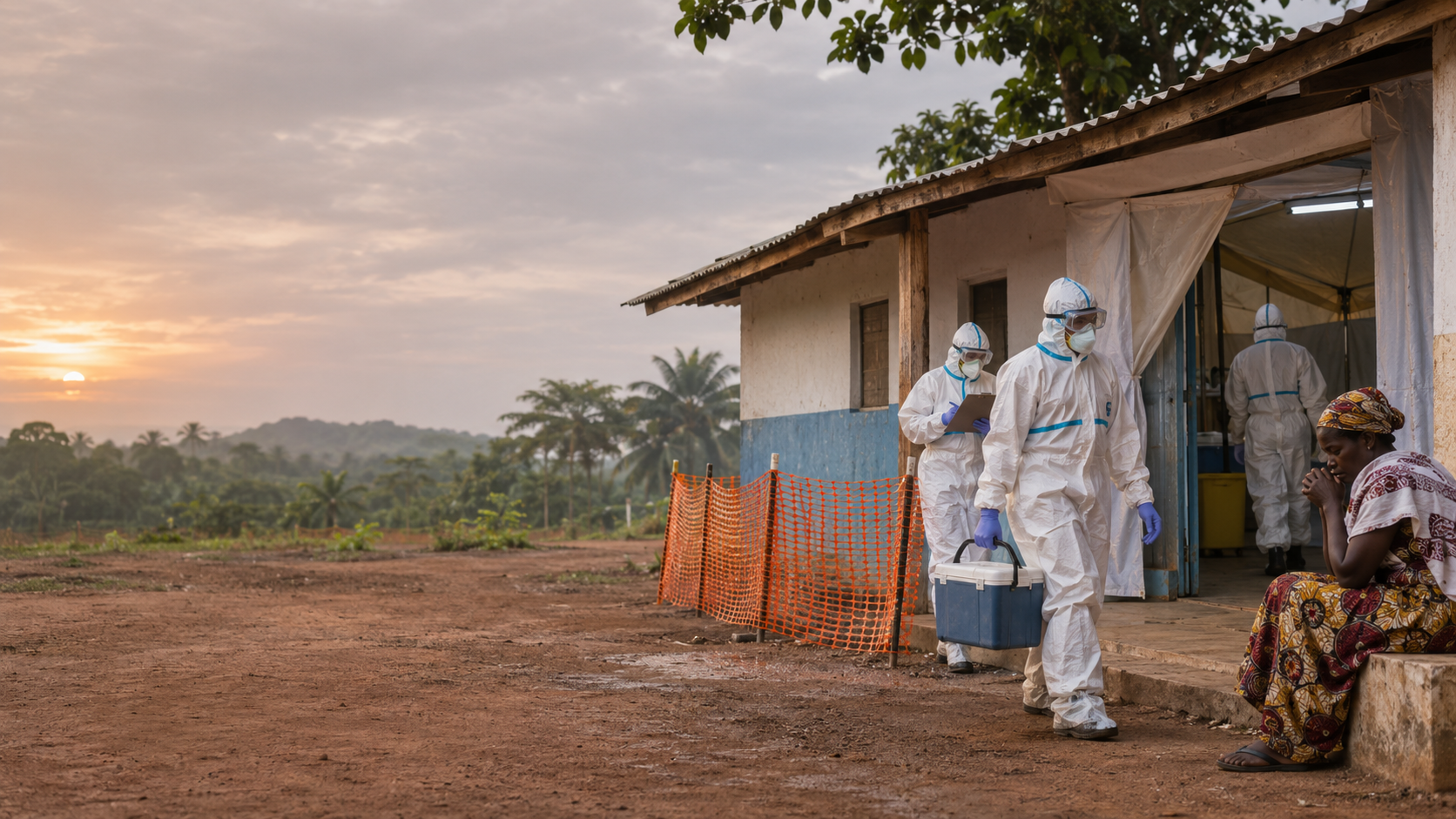
Reports attributed to Al Jazeera, The Annapurna Express, Africa CDC and other health-focused publications say an Ebola outbreak in the Democratic Republic of the Congo (DR Congo) has killed more than 5,300 people.
The figure is significant, but the supplied reports do not establish whether it describes a current outbreak, a historical cumulative total or a combined figure from multiple outbreak periods. They also do not identify the outbreak’s start date, affected province, total case count, vaccine type or latest transmission status. These details should be verified against official updates before publication as breaking-news facts.
What the Reported Toll Means
An Ebola death toll may include several categories:
- Confirmed deaths: Deaths involving laboratory-confirmed Ebola infection.
- Probable deaths: Deaths meeting an official epidemiological or clinical definition without laboratory confirmation.
- Suspected deaths: Deaths still under investigation.
- Unclassified or excess deaths: Deaths that may be outbreak-related but are not included in official Ebola totals.
The statement that more than 5,300 people died does not reveal which categories are included. Health authorities may revise totals when laboratory results become available, suspected cases are confirmed or ruled out, duplicate records are removed, or delayed reports and retrospective investigations identify additional cases.
The publication date and data cutoff are therefore essential. A reported toll may reflect information available at one point rather than the latest official total.
| Measure | What the supplied reports establish |
|---|---|
| Reported deaths | More than 5,300 |
| Confirmed cases | Not provided |
| Probable cases | Not provided |
| Suspected cases | Not provided |
| Outbreak start date | Not provided |
| Latest transmission status | Not established |
| Vaccine name and dose total | Not provided |
Ebola in the Democratic Republic of the Congo
The Democratic Republic of the Congo has experienced repeated Ebola outbreaks. Dense urban areas, remote communities, limited healthcare access, population movement and cross-border travel can complicate surveillance and response.
Delayed diagnosis, limited laboratory capacity, shortages of trained personnel and distrust of authorities or responders can also make outbreaks harder to detect and contain. These factors do not cause Ebola, but they can delay treatment and reporting.
Ebola often begins through zoonotic spillover, when the virus moves from an animal host to a person. Human-to-human transmission can then occur through direct contact with infected bodily fluids. The supplied reports do not identify a specific animal source for the reported outbreak.
How Ebola Spreads
Ebola can spread through contact with the blood or bodily fluids of an infected person. Relevant fluids include vomit, diarrhea, saliva, sweat, urine, breast milk, semen and blood. Contaminated objects can also contribute to transmission.
Transmission risk is especially serious during caregiving and burial practices because patients may have high levels of virus late in illness and after death. Ebola is not generally transmitted like airborne respiratory viruses such as measles.
Public-health measures include isolation, personal protective equipment, contact tracing, safe burials, cleaning and disinfection, and rapid medical evaluation. People are typically not considered infectious before symptoms begin, but anyone who may have been exposed should follow local health guidance.
Symptoms and Medical Advice
Symptoms may include fever, severe weakness, muscle pain, headache, sore throat, vomiting, diarrhea, rash, and unexplained bleeding or bruising. These symptoms can resemble malaria, typhoid and other illnesses, so symptoms alone cannot confirm Ebola. Laboratory testing is required.
Anyone who may have contacted an infected person, contaminated materials or an unsafe burial should contact local health authorities and seek medical advice promptly. Medical guidance takes priority over a general news article.
Could the Outbreak Be Larger Than Official Figures?
A Global Biodefense summary reportedly said the outbreak might be three times larger than confirmed figures indicate and that vaccine doses had arrived. The summary does not clarify whether “three times larger” refers to confirmed cases, total infections, deaths or another measure.
The statement should therefore be treated as an estimate or warning, not as a confirmed revised death toll. A threefold estimate of infections does not automatically mean that deaths are three times higher.
Official figures can miss cases when patients die before reaching treatment centers, communities lack transport, laboratory capacity is limited, families do not report deaths, facilities are inaccessible, or insecurity restricts movement. Health agencies investigate possible undercounting through community surveillance, hospital reports, burial records, retrospective case reviews, laboratory testing, contact tracing and mortality surveillance.
Vaccines and Outbreak Response
The supplied reports say vaccine doses had arrived but do not provide the vaccine’s name, number of doses, arrival date or deployment locations. These details require confirmation from official health authorities and the original reports.
Vaccine arrival does not end an outbreak. Response teams must store and transport doses correctly, identify eligible recipients, obtain informed consent, record vaccinations and monitor people after exposure.
Ring Vaccination
Ring vaccination targets people most likely to have been exposed. It may include:
- Vaccinating confirmed contacts.
- Vaccinating contacts of those contacts.
- Protecting healthcare workers, laboratory staff and other frontline responders.
- Monitoring vaccinated people and exposed contacts.
Vaccination is not treatment, and vaccinated people may still require monitoring after exposure.
Treatment and Supportive Care
Ebola care may include rapid diagnosis, fluids and electrolyte replacement, treatment for secondary infections, oxygen support, blood-pressure support, nutrition and approved specialized therapeutics where available. Early treatment can improve the chance of survival.
Challenges for Response Teams
An Ebola outbreak can disrupt routine healthcare and increase risks for health workers. Pregnant patients, children and people receiving care for malaria, tuberculosis, HIV or other conditions may face additional danger when services are interrupted.
Effective response requires triage, infection-prevention training, protective equipment, safe referral systems, reliable transport and continued delivery of essential healthcare.
Community cooperation affects contact tracing, testing, isolation, vaccination, safe burials and reporting of symptoms. Transparent communication, trusted local messengers and respect for cultural and religious practices can improve cooperation.
The supplied reports do not establish whether the reported outbreak occurred in an area affected by conflict or insecurity. Any security-related description should be based on verified reporting rather than assumptions about the country’s broader conditions.
Global Health Implications
A WHO-related report reportedly linked the death toll to renewed calls for stronger international preparedness and cooperation, including discussion of a pandemic treaty or agreement. The precise language matters: a report may refer to formal negotiations, a proposed agreement or a general call for cooperation. An Ebola outbreak does not automatically constitute a global pandemic.
The broader preparedness debate includes faster cross-border surveillance, shared laboratory capacity, emergency funding, equitable vaccine access, research partnerships, protective equipment, training, transparent data sharing and stronger health systems.
International support is most effective when it strengthens local leadership. Local health workers and communities provide essential knowledge about access, language, trust and practical response conditions.
What Readers Should Know
Risk depends on location, exposure history, contact with infected people, occupation and local transmission. Healthcare workers, caregivers, laboratory staff and burial teams may face greater exposure in areas with active transmission.
People should follow local health guidance, avoid contact with bodily fluids, avoid handling bodies during a suspected outbreak, use protective equipment where advised, report possible exposure promptly, seek medical attention after suspected exposure or symptoms, and avoid unverified treatments.
Readers outside affected areas should rely on official travel and health advisories rather than assume that an outbreak report means a widespread international risk.
What Remains Unclear
The supplied reports establish a reported death toll above 5,300 but leave important questions unanswered:
- Is the figure current or cumulative?
- Does it include confirmed and probable deaths?
- What is the total case count?
- Which provinces are affected?
- When did the outbreak begin?
- Is transmission still ongoing?
- Which Ebola virus species is involved?
- What vaccine was delivered, and how many doses arrived?
- What does “three times larger” measure?
Before publication, these questions should be checked against WHO situation reports, Africa CDC updates, statements from the Democratic Republic of the Congo’s health authorities and the original cited articles.
Conclusion
Reports say an Ebola outbreak in the Democratic Republic of the Congo has killed more than 5,300 people. The number is serious, but its meaning depends on the reporting date, geographic scope and classification of deaths.
The warning that the outbreak may be larger than confirmed figures suggests possible undercounting, not a verified revised total. Vaccine delivery may strengthen the response, but doses must reach contacts, healthcare workers and remote communities through a trusted and organized campaign.
Rapid detection, transparent reporting, accessible treatment, safe burials, vaccination and community engagement remain central to reducing Ebola deaths.
Artikel Terkait
-
 New York Measles Death: What Families Should Know
-
 Washington Resident Dies After Reported Bird Flu Exposure
-
 Energy Drinks and Heart Risks in Young Adults
-
 Ebola Outbreak: Reported Death Toll Exceeds 5,300
-
 Third U.S. Bird Flu Death Linked to Dairy Cattle
-
 Nationwide Blood Pressure Drug Recall: What Patients Should Know