Cruise Fuel Costs Leave Passengers Stranded in Cambodia
Cruise Fuel Costs in Cambodia: What Happened to Passengers on a Suspended Global Voyage?
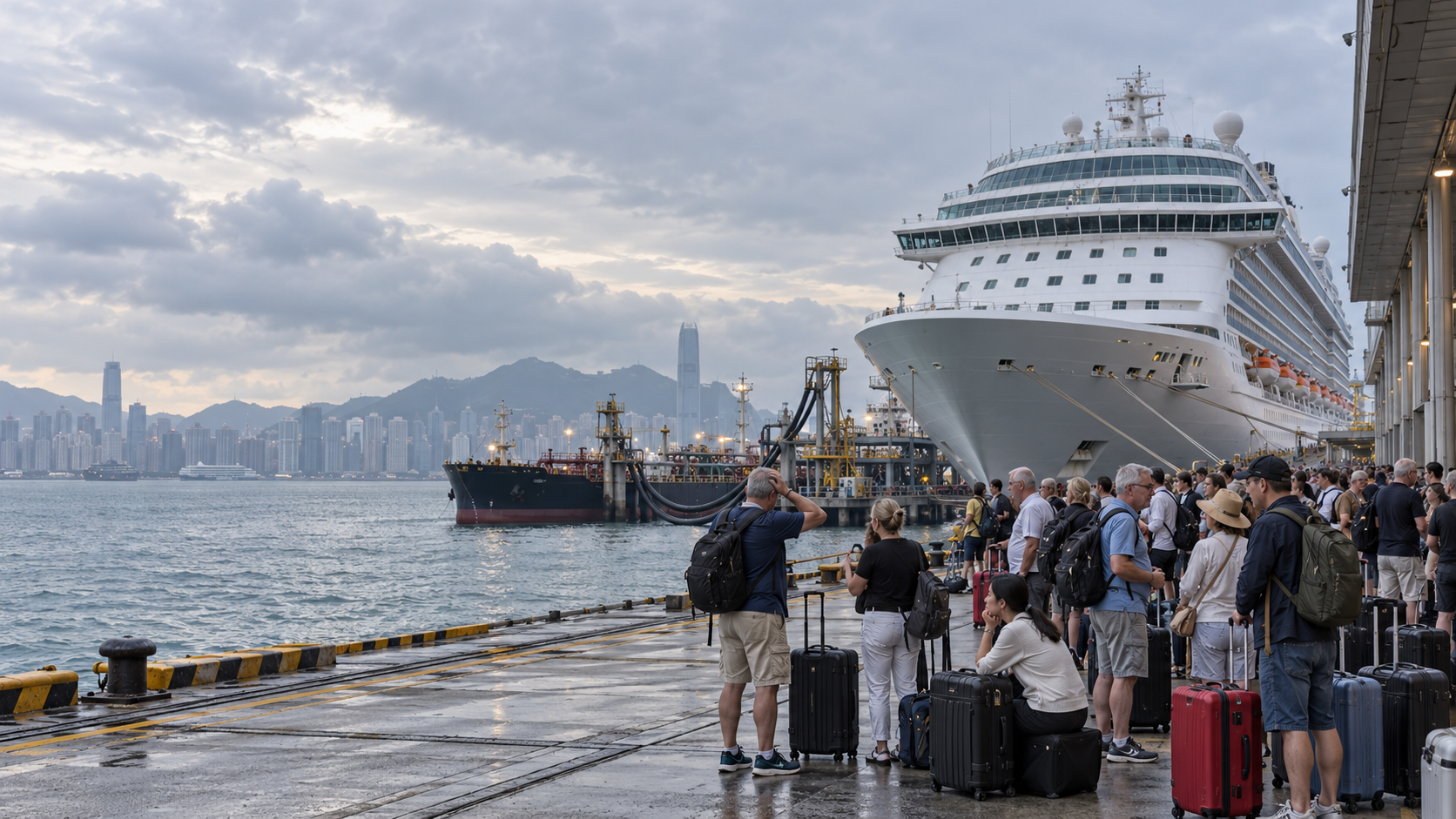
A reported cruise disruption in Cambodia has highlighted the financial and logistical risks of long-distance and residential cruising. According to available source summaries, a U.S. cruise ship suspended a planned global voyage after rising fuel costs made continued operations financially difficult. Passengers were reportedly stranded in Cambodia or required to leave the vessel there. Source 1
A separate summary reported that hundreds of passengers were affected when a U.S. cruise ship suspended its planned global voyage because of high fuel costs. Source 3
The available material does not independently establish the cruise line’s name, the exact number of affected passengers, the original itinerary, the precise refund terms, or whether the voyage was permanently canceled. Those details should be confirmed through official company statements and authoritative reporting.
What Happened to the Passengers in Cambodia?
The planned global voyage was suspended
The reported incident involved a long-duration voyage designed to travel internationally. Instead of completing the planned route, the ship’s operation was reportedly suspended after fuel costs rose enough to threaten the economics of continued sailing.
That situation differs from a conventional cruise cancellation. A typical cruise lasts several days or weeks, while a global or residential cruise may involve months or years aboard the vessel, larger prepaid sums, and the expectation that the ship will function as a continuing home.
The available summaries describe a U.S. cruise ship and hundreds of affected passengers, but they do not provide enough verified information to confirm every operational detail. Claims about the company, vessel, itinerary, passenger count, or legal outcome should therefore remain attributed rather than presented as established fact.
Passengers were reportedly left in Cambodia
The reported result was severe: passengers were stranded in Cambodia or required to leave the ship there. They may have needed to arrange hotels, transportation, international flights, luggage handling, and compliance with Cambodian immigration or visa requirements.
Potential problems included:
- Unexpected hotel and accommodation costs.
- Flights to passengers’ home countries or onward destinations.
- Medication, medical appointments, and health insurance.
- Lost, delayed, or damaged luggage.
- Currency exchange and local transportation.
- Communication with family members and financial institutions.
- Refund and reimbursement claims.
Not every passenger necessarily received the same instructions or assistance. Some may have arranged their own travel, while others may have received support from the operator, insurers, payment providers, or relatives. Passenger accounts and social media reports should be distinguished from confirmed company policies and official documentation.
Why residential cruise passengers face greater disruption
Residential cruise passengers may have expected to live aboard the ship for months or years. Some may have sold or rented out homes, stored personal property, ended leases, or reorganized work and medical arrangements around life at sea.
A sudden suspension is therefore different from the cancellation of an ordinary vacation. A short-term traveler may lose a holiday and face an inconvenient trip home. A residential passenger may suddenly lose housing, access to belongings, continuity of care, and a long-term travel plan.
The disruption may involve:
- Primary or temporary housing.
- Prescription medication and medical records.
- Personal documents and valuables.
- Remote work or business arrangements.
- Pet care and family responsibilities.
- Travel insurance and health coverage.
- Storage, shipping, and customs arrangements.
The greater the passenger’s financial and personal commitment, the more important the contract and emergency-support provisions become.
Why High Fuel Costs Can Threaten a Cruise Voyage
Fuel is a major operating expense
Cruise ships consume large quantities of fuel while traveling between ports. Fuel is also required to operate air conditioning, refrigeration, lighting, water-treatment systems, kitchens, entertainment facilities, and other onboard services.
A long global itinerary creates substantial exposure to fuel prices. Operators may sell cabins months or years before departure, but fuel prices can change significantly during that period. If the operator has not hedged fuel purchases or built sufficient flexibility into its budget, a price surge can reduce or eliminate expected margins.
Fuel expenses depend on more than the posted price. They are also affected by:
- Distance traveled.
- Cruising speed.
- Weather and sea conditions.
- Vessel size and engine efficiency.
- Time spent at sea.
- Port-access requirements.
- Fuel type and environmental regulations.
A ship that slows down may consume less fuel, but passengers may face longer travel times and itinerary changes. A route with fewer ports may reduce costs but weaken the experience promised during booking.
Global voyages face greater fuel exposure
Worldwide itineraries are especially vulnerable because they involve long distances and many sea days. A regional cruise may be shortened, rerouted, or returned to its home port relatively easily. A global voyage involves more complex logistics and fewer simple alternatives.
Operators may respond to rising fuel costs by:
- Reducing the ship’s speed.
- Removing ports from the itinerary.
- Shortening the voyage.
- Repositioning the vessel.
- Increasing onboard fees.
- Seeking additional financing.
- Suspending operations.
Each option creates consequences for passengers. Speed reductions affect arrival times. Port cancellations reduce the value of the itinerary. Additional fees may create disputes when passengers have already paid for accommodation and services. A suspension can create immediate housing and transportation problems.
Fuel costs are only one financial pressure
Fuel may be the reported trigger, but cruise-line financial problems usually involve several expenses. Operators must also pay for:
- Crew wages, recruitment, and training.
- Repairs, inspections, and maintenance.
- Port fees and pilotage charges.
- Insurance.
- Food, beverages, and onboard supplies.
- Debt service and vessel financing.
- Regulatory compliance.
- Marketing, sales, and administration.
- Technology and reservation systems.
A fuel-price increase can become more damaging when combined with weak cash flow, high debt, low occupancy, mechanical problems, or expensive refurbishment requirements. Unless a company explicitly confirms otherwise, it is not accurate to claim that fuel costs alone caused a business failure.
The reported Cambodia disruption illustrates how a shipping expense can become a passenger crisis when an operator lacks enough financial flexibility to continue the voyage or arrange a smooth alternative.
Why the Decision Affected Passengers So Severely
Long-term cruise contracts create complex expectations
Residential and long-duration cruises may involve contracts that differ substantially from ordinary vacation bookings. A passenger may pay a deposit, make advance payments, purchase an extended cabin arrangement, or incur separate service and maintenance charges.
The contract may determine whether the operator must provide:
- A full or partial refund.
- Alternative transportation.
- Hotel accommodation.
- Meals during a delay.
- Repatriation.
- Luggage shipment.
- Compensation for unused services.
- Assistance with medical or emergency needs.
Passengers should review the original agreement rather than rely on general assumptions about cruise-industry practice. Relevant provisions may include cancellation terms, force-majeure language, governing law, dispute procedures, refund deadlines, and limitations of liability.
A ship suspension creates immediate logistical problems
A suspended voyage can trigger a chain of urgent problems:
- Passengers leave the ship or remain in port.
- Immigration and visa requirements become relevant.
- Hotels and flights may be unavailable or expensive.
- Luggage and medication must be collected or transported.
- Passengers seek refunds and reimbursement.
- Insurance and payment disputes begin.
A disruption in a foreign country can be harder to manage than a cancellation at a passenger’s home port. Travelers may lack local contacts, face language barriers, have limited access to funds, or need to resolve immigration issues before arranging onward travel.
Communication becomes critical
Passengers need clear, written information from the operator. Essential questions include:
- Why was the voyage suspended?
- Will the ship resume service?
- When will passengers receive refunds?
- Who pays for hotels and meals?
- Will transportation home be arranged?
- How will luggage be handled?
- What emergency contact should passengers use?
- What is the claims deadline?
- Has a claims administrator been appointed?
Delayed or vague communication can increase losses. Passengers may book expensive hotels or flights without knowing whether the company will reimburse them. They may also miss deadlines or discard documents needed to support a claim.
What Stranded Cruise Passengers May Be Able to Do
Document every expense and communication
Passengers should create a complete record of the disruption. Useful documents include:
- Booking contracts and terms.
- Deposit and payment records.
- Boarding passes and ship documents.
- Emails, text messages, and notices.
- Hotel and airline receipts.
- Transportation invoices.
- Medical and medication expenses.
- Baggage reports and photographs.
- Notes from calls with company representatives.
Each receipt should show the date, amount, currency, and purpose. Passengers should also record whether an expense was necessary because of the suspension and whether the cruise line approved it in writing.
Contact the cruise line in writing
Passengers should request written confirmation of the suspension and the company’s proposed remedy. Questions should address:
- Refund eligibility.
- Unused cruise days or services.
- Hotel and transportation reimbursement.
- Luggage arrangements.
- Claim-submission procedures.
- Payment timelines.
- Applicable deadlines.
Verbal promises may be difficult to prove. Written communication creates a clearer record and may help with insurance, credit-card disputes, regulatory complaints, or legal proceedings.
Passengers should ask whether the company has appointed a claims administrator or dedicated customer-relations contact. They should save copies of all correspondence and avoid sending original documents unless specifically required.
Review travel insurance and payment protections
Travel insurance may cover trip interruption, cancellation, travel delays, emergency accommodation, baggage problems, or repatriation. Coverage depends on the policy wording and the facts of the incident.
Important exclusions may involve:
- Insolvency or financial default.
- A known event occurring before purchase.
- Contract disputes.
- Unapproved changes to travel plans.
- Long-term or residential travel arrangements.
- Failure to obtain required documentation.
Passengers should notify the insurer promptly and provide the requested evidence. Those who paid by credit card may also have dispute or chargeback options, subject to the card issuer’s rules, local law, and applicable deadlines. A payment dispute does not guarantee recovery, particularly when services were partially delivered.
Seek consular and legal assistance when necessary
Passengers facing immigration, medical, safety, or emergency travel problems should contact their embassy or consulate. Consular officials generally cannot guarantee a refund or compel a private company to pay, but they may help with emergency contacts, documentation, local authorities, or travel logistics.
A maritime, consumer-rights, insolvency, or contract attorney may be appropriate when losses are substantial. The correct legal forum may depend on the contract, the company’s location, the vessel’s registration, and where the dispute occurred.
What the Incident Reveals About Residential Cruising
Residential cruises can carry higher business risk
A residential cruise depends on sustained revenue over a long operating period. The model may require high occupancy, major upfront investment, reliable financing, and careful control of operating expenses.
Potential vulnerabilities include:
- Large vessel-acquisition or refurbishment costs.
- High fixed expenses.
- Dependence on stable fuel prices.
- Long-term maintenance obligations.
- Limited recovery options for specialized vessels.
- Reliance on advance passenger payments.
- Exposure to regulatory and geopolitical disruption.
Paying in advance does not make a residential cruise financially secure. It may increase the passenger’s exposure if the operator later cannot deliver the promised service.
Passengers may not have tenant-like protections
A residential cruise cabin may feel like housing, but the contract may not provide the protections associated with a residential lease. The agreement could be governed by maritime, commercial, or foreign law.
Before booking, buyers should determine:
- Which country’s law governs the contract.
- Where disputes must be filed.
- Whether arbitration is mandatory.
- Whether deposits are protected.
- Whether the operator is bonded or insured.
- What happens during insolvency.
- Whether the company may relocate or cancel the voyage.
These terms can affect whether a passenger can recover money or obtain emergency assistance.
The business model requires transparency
Potential buyers should ask:
- Who owns the vessel?
- Who operates the cruise business?
- Is the ship owned, leased, or financed?
- Are deposits held in a separate account?
- What happens if the voyage is canceled?
- Is there a refund reserve?
- What insurance covers operational failure?
- Has the operator experienced previous cancellations?
- Are audited financial statements available?
Marketing materials often emphasize lifestyle, destinations, and onboard amenities. Those features do not replace financial due diligence. High-value or long-term purchases justify independent legal and financial advice.
How Travelers Can Reduce Risk Before Booking
Read cancellation and force-majeure clauses
The contract should explain what happens after:
- Fuel-price increases.
- Geopolitical events.
- Port closures.
- Mechanical breakdowns.
- Natural disasters.
- Regulatory changes.
- Insolvency.
- Route changes.
Travelers should identify whether the company can cancel, shorten, or reroute the voyage without providing a full refund. They should also check whether the contract distinguishes between a temporary suspension and permanent cancellation.
Avoid concentrating essential assets in one contract
Travelers should avoid committing essential savings or selling a primary residence without independent advice. A cruise cabin should not automatically be treated as a guaranteed substitute for conventional housing.
An emergency reserve should cover:
- Flights home.
- Hotels and meals.
- Medical care.
- Temporary housing.
- Legal advice.
- Delayed refunds.
- Luggage storage and shipping.
This is especially important for passengers planning to live aboard the vessel rather than take a traditional vacation.
Verify the operator and vessel
Research should include:
- Corporate registration.
- Vessel ownership.
- Financial disclosures.
- Maritime safety records.
- Insurance and regulatory compliance.
- Independent reviews.
- Past cancellations.
- Refund performance.
- Company litigation or insolvency history.
Travelers should distinguish between independently verifiable records and claims made in promotional materials. The operator’s legal identity should be clear before any large payment is made.
Frequently Asked Questions
Why were cruise passengers reportedly left in Cambodia?
Available source summaries indicate that a U.S. cruise ship suspended its planned global voyage after rising fuel costs made continued operations difficult. The exact circumstances and assistance offered to passengers require confirmation from official statements and authoritative reporting. Source 3
How do rising fuel prices affect cruise lines?
Fuel is a major operating expense. Higher prices increase the cost of sailing between ports and powering onboard systems. Global voyages are particularly exposed because they involve longer distances, more sea days, and fewer options for reducing the route.
What should stranded cruise passengers do first?
Passengers should secure essential accommodation and transportation, preserve receipts, contact the cruise line in writing, review travel insurance, and check payment-provider protections. They should contact their embassy or consulate if they face immigration, medical, or emergency travel problems.
Does travel insurance cover a cruise canceled because of fuel costs?
Coverage depends on the policy. Some plans cover cancellation, interruption, delays, or emergency accommodation. Others exclude insolvency, known events, financial default, or contract disputes. Passengers should contact the insurer promptly and review the policy language.
Are residential cruise passengers protected like tenants?
Not necessarily. A residential cruise contract may be governed by maritime or commercial law rather than residential tenancy rules. Buyers should review governing-law, cancellation, refund, and dispute-resolution provisions before committing funds.
How can travelers evaluate a residential cruise company?
Travelers should research the operator’s ownership, financial condition, vessel history, safety record, insurance, deposit protections, refund policy, and past cancellations. Independent legal and financial advice is advisable before selling property or committing substantial savings.
Conclusion
The reported Cambodia disruption shows how rising fuel costs can destabilize an ambitious global cruise plan. The consequences are particularly serious for residential cruise passengers who expected the vessel to provide long-term housing, transportation, and daily services.
The key lessons are practical:
- Read the entire contract.
- Confirm cancellation and refund rights.
- Verify the operator and vessel.
- Protect deposits and payment records.
- Maintain emergency funds.
- Document every expense.
- Review insurance exclusions.
- Seek consular and legal assistance when necessary.
Residential cruising may continue to attract travelers seeking a permanent global lifestyle. The model requires stronger financial transparency, clearer passenger protections, and reliable contingency planning before passengers entrust a company with their housing, savings, and long-term travel plans.